
New Zealand’s short-term rental (STR) market continues to evolve as tourism rebounds, new regulations emerge, and travel patterns shift. Platforms like Airbnb and Bookabach have become an established part of the country’s accommodation ecosystem, offering travellers flexible alternatives to hotels and creating new income streams for property owners.
For operators and hosts, understanding the latest market trends is essential for staying competitive in 2026.
Below is a concise overview of the latest news, regulations, and key trends shaping short-term rental properties across New Zealand today.
1. Tourism Recovery Continues to Support Short-Stay Demand
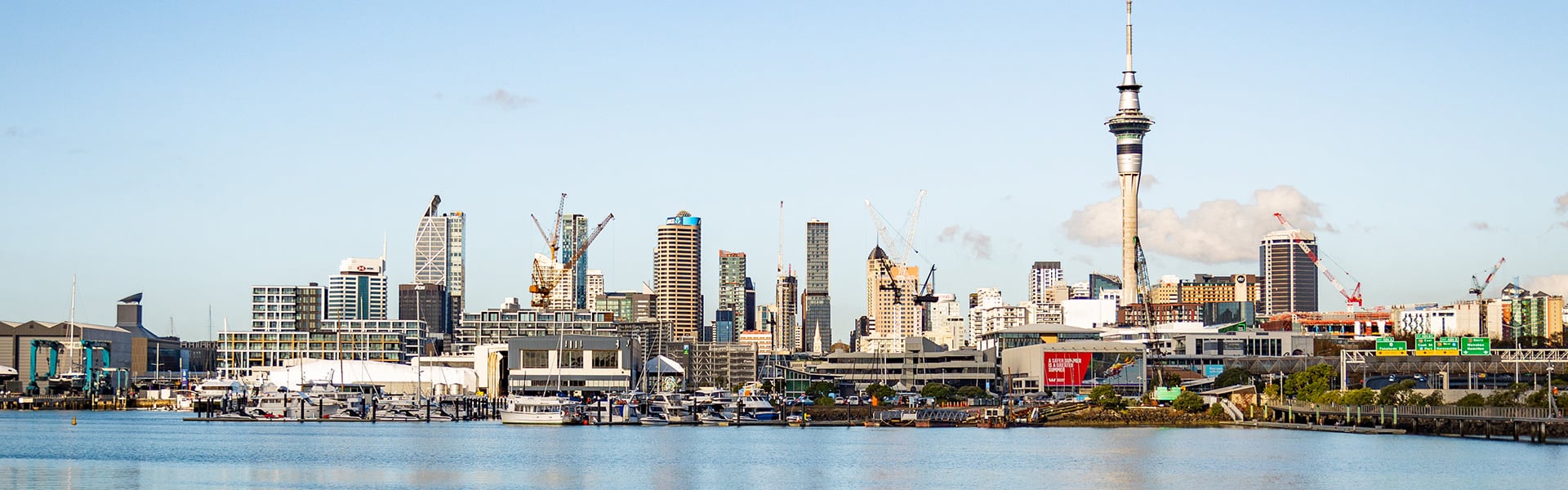
New Zealand’s tourism sector has steadily strengthened after the pandemic years, driving continued demand for short-term accommodation in major destinations such as Queenstown, Auckland, Rotorua, Christchurch, Wellington, and coastal and lifestyle regions.
Recent investment activity also reflects confidence in the hospitality sector. For example, Brookfield recently purchased major hotels in Queenstown and Wellington for approximately NZ$250 million, signaling strong investor interest in New Zealand accommodation assets.
For short-term rental hosts, this growing tourism demand means higher booking potential in peak seasons, stronger demand for unique stays and boutique accommodation, and increased competition with hotels and professional operators.
2. Short-Term Rentals Remain Legal — But Regulations Are Tightening
Short-term rentals are legal throughout New Zealand, but rules vary significantly between councils. Planning controls are generally managed locally under the Resource Management Act rather than through a national licensing system.
In 2026, many councils require resource consent or registration for frequent short-stay listings. Cities may also set night limits or zoning requirements depending on the residential area, while hosts must meet health, safety, and insurance standards.
Tax rules also apply. Online platforms now collect 15% GST on bookings, and hosts must declare rental income to Inland Revenue.
Meanwhile, debates around housing shortages have sparked discussions about potential restrictions on Airbnb-style rentals, particularly in tourism hotspots like Queenstown and Auckland.
For professional operators such as Zodisk Stays, staying compliant with local council rules is increasingly important.
3. Supply of Listings Is Growing
The number of short-term rental listings in New Zealand has grown steadily over the past decade as more property owners explore flexible rental strategies.
This growth has been driven by digital platforms such as Airbnb, Booking.com, and Bookabach, along with international tourism recovery, homeowners monetizing holiday homes or spare rooms, and the rise of professional property management services.
However, increased supply also means greater competition among listings, making presentation and guest experience more important than ever.
4. Occupancy and Earnings Potential
Performance varies widely by location, property type, and management quality.
Example data from Auckland shows average occupancy around 72% annually, average daily rates of $90+ per night, and typical annual revenue of around $24,900 for an average host, with premium properties often performing above this range.
High-performing listings often outperform market averages through professional photography, strong guest reviews, unique design or location, efficient pricing strategies, and responsive guest communication.
This is where professional management and brand-level hosting standards can significantly improve returns.
5. Key Short-Term Rental Trends in 2026
Professional Property Management Is Growing
Many hosts now outsource operations to companies that manage guest communication, cleaning and maintenance, pricing optimization, and listing marketing. This trend is helping raise the standard of short-term rentals across New Zealand.
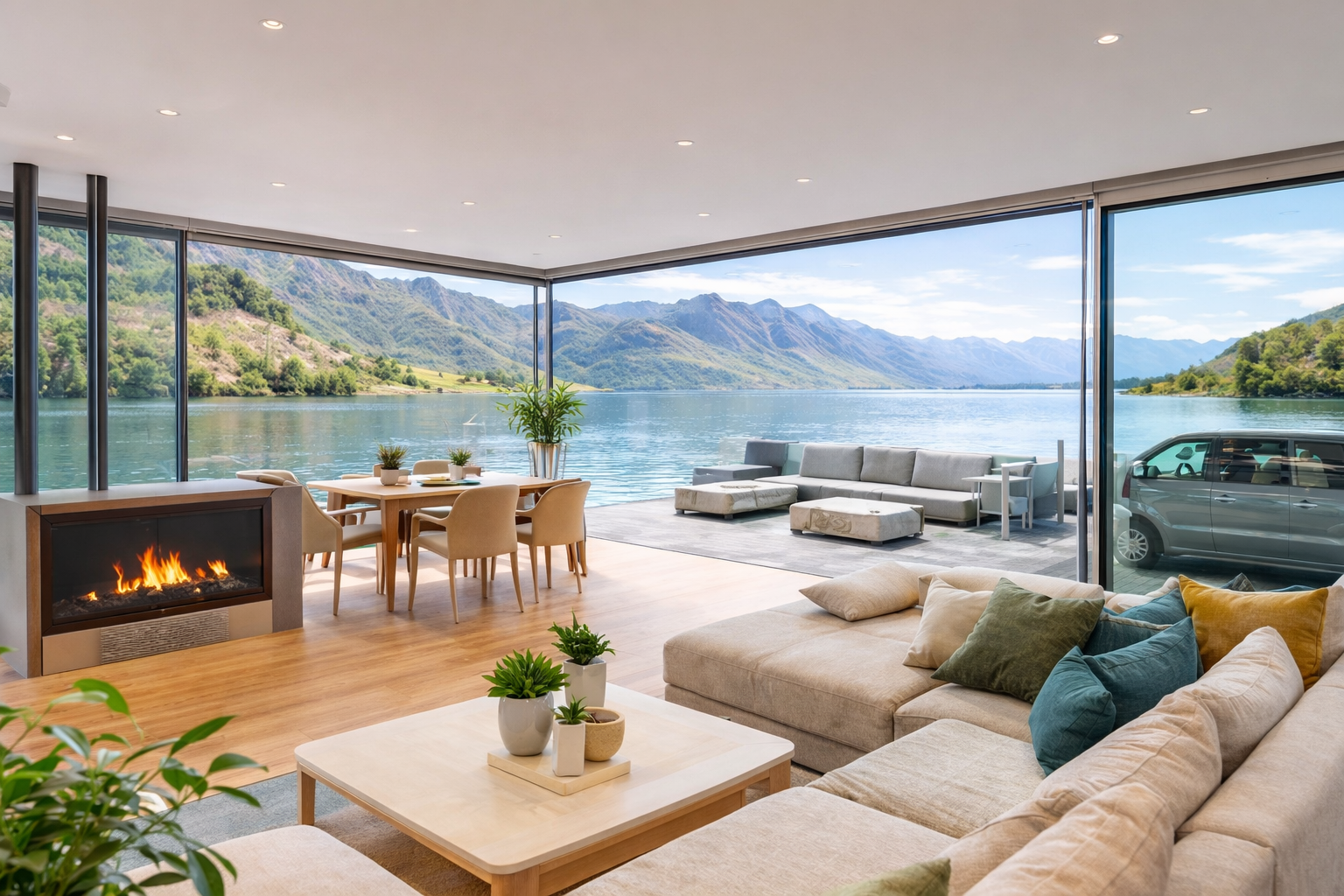
Travellers increasingly prefer boutique apartments, lakefront homes, eco-lodges, and remote work-friendly properties. This reflects a broader travel trend toward experiential stays rather than traditional hotels.
With remote work becoming more common globally, some travellers are booking extended stays of several weeks, combining travel with work and lifestyle. This is especially popular in scenic locations like Queenstown, Wanaka, Bay of Plenty, and the Nelson Tasman region.
Dynamic pricing tools are becoming essential. Hosts who adjust prices based on seasonality, local events, tourism demand, and occupancy trends often outperform static listings.
Insurance providers are also tightening rules for properties used exclusively as short-term rentals. Some policies may classify them as commercial accommodation, requiring specific coverage.
As a result, professional management and proper documentation are becoming increasingly important.
6. What This Means for Property Owners
For property investors and homeowners, the short-term rental market in 2026 presents both opportunity and responsibility.
Successful hosts typically focus on guest experience, compliance with council rules, quality property presentation, strong cleaning and maintenance standards, and smart pricing strategies.
For operators like Zodisk Stays, this environment creates an opportunity to deliver premium guest experiences and professional hosting services that stand out in a competitive market.